Granby Land Trust

Granby Land Trust — September 2026
|
GLT Volunteer Spotlight on Ron Dufrane and Granby Land Trust News
Granby Drummer (https://granbydrummer.com/category/grow/page/4/)
GLT Volunteer Spotlight on Ron Dufrane and Granby Land Trust News

Largest crowd ever attends Holcomb Farm Annual Meeting, City-dweller finds fulfillment
down on the Farm, and Holcomb Farm celebrates Farm Store opening

In late spring and early summer, many birds take up hunting. This is true even for birds that primarily survive on diets of nuts, berries and seeds throughout the fall and winter. Common birdfeeder species, such as northern cardinal, tufted titmouse and black-capped chickadee, shift from foraging for fruit and seeds to hunting insects, spiders, beetles and caterpillars.
So, what accounts for these seasonal shifts in diet and behavior?
It really feels like summer outside! I found this recipe and made it this weekend, so good that I made it a second time once it was gone.

Every June, foxgloves bloom on the GLT’s Katan-Ensor Preserve in West Granby.
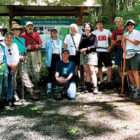
Hikers hit the trails June 7, Volunteers preserve GLT property, Birds of Prey fascinate crowd, and Dewey-Granby Oak

New Farm Store is a four-season local food hub; Meet Assistant Farm Manager and Crew Lead Tom Spatcher; Farm embarks on another NAA Tax Credit Program project; An evening of yoga, healing and connection; and Coming Events

Summers in the 1950s included gleaming white Good Humor trucks whose jingling bells announced that frozen treats had arrived. I’d beg my parents for change and dash to the curb for a creamsicle or toasted almond bar.
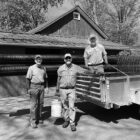
In the spring of 2025, visitors to the Granby Land Trust’s Dismal Brook Wildlife Preserve noticed something unusual at the North Marsh: an industrious group of beavers had built a dam directly beneath the footbridge. As a result, water levels rose, the marsh began to resemble a pond, and the altered flow threatened the bridge’s integrity.
The Granby Land Trust was faced with a challenge: how do we protect the marsh, and our bridge, without harming the beavers?

One of the joys of summer, no matter what one’s age, used to be watching the fireflies flitting about one’s back yard during the evenings of early summer. What child hasn’t trapped a few in a glass jar and kept them in the bedroom for the night? That is beginning to feel like a bygone pleasure, as it is becoming hard to find them anymore.