Granby Land Trust
Granby Land Trust — October 2026
|
GLT’s 19th Annual Juried Art Show; Annual Meeting and Community Supper set for Oct. 18
Granby Drummer (https://granbydrummer.com/category/grow/)
GLT’s 19th Annual Juried Art Show; Annual Meeting and Community Supper set for Oct. 18
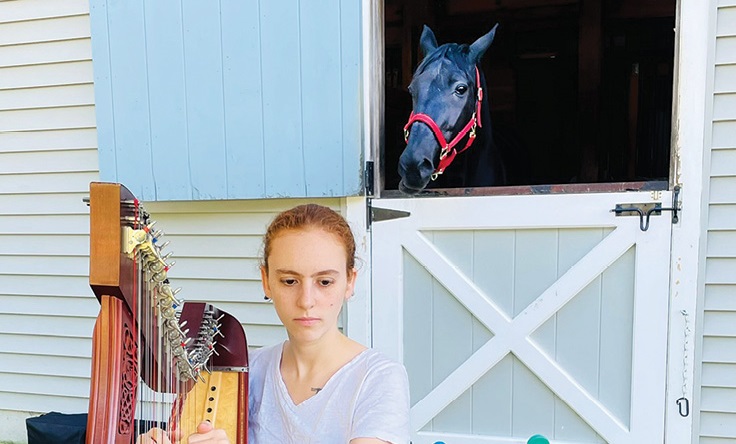
See the full gallery later in this month’s issue.
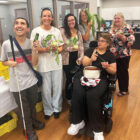
The Friends of Holcomb Farm welcomed its newest partner to the Fresh Access program this summer: New Horizons Village.
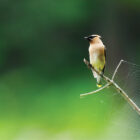
A Cedar Waxwing perched on a fallen tree overlooking Spring Pond at the McLean Game refuge.
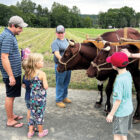
What a day! On Aug. 30, the Friends of Holcomb Farm welcomed hundreds of neighbors, families and friends to Holcomb Farm for the Holcomb Hoedown—a free afternoon filled with music, dancing, games, animals and plenty of good old-fashioned fun.
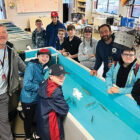
Middle school students at the Salmon Brook Ecology Center have learned that the term “brown trout” might be a misleading common name for the species. Their scales include special, pigmented skin cells called chromatophores, which allow brown trout to routinely change colors.
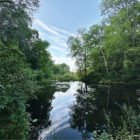
Spring Pond at McLean Game Refuge. Photo by Nina Jamison.
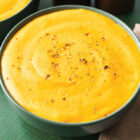
This Gorgonzola bread recipe has been a family favorite for years and it’s one that brings back wonderful memories every time I make it. It has graced our table for countless gatherings, and there never seems to be much left over!
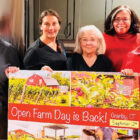
Every spring, with great appreciation for the farmers who swap a busy fall workday for one filled with visitors, a dedicated group of Granby women start planning the annual Granby Open Farm Day.
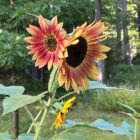
We wonder if it is also true of sunflowers that “two heads are better than one.”