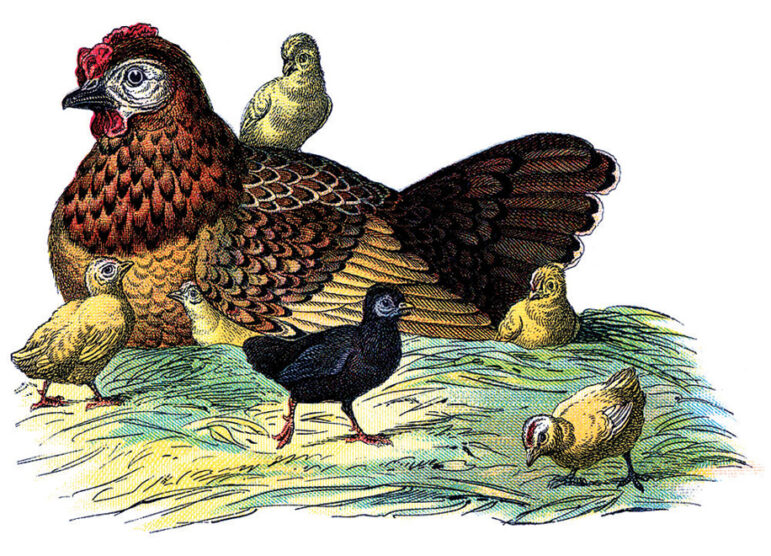
Poultry: Chickens and Turkeys
The biggest concern for respiratory infections in poultry is the spread of the disease. Often entire flocks can be affected quickly. Infections can come from the environment, wild birds or new flock additions that haven’t been properly quarantined.
Quarantine and good biosecurity with poultry are very important. Shoes and clothing should be changed between farms or flocks to not spread disease from one flock to another. Personally, I have a pair of boots that I only wear around my chicken coop and the yard where they can roam. These boots do not ever leave the yard, and I would never wear them around new introductions to my flock until a quarantine period is over. I would recommend at least a two-week quarantine with any new birds. This includes chicks!
Like other species, chickens and turkeys have mycoplasma species that can affect them. Mycoplasma can not only cause severe respiratory signs like sneezing and nasal discharge but can also affect bones. Mycoplasma can cause granulomatous lesions, which are like infectious masses, within the bones of the bird. Normally, many bones in bird species contain air, which allows them to fly. Mycoplasma can fill those spaces with dense lesions, affecting mobility. Mycoplasma can cause disease in both chickens and turkeys.
Infectious coryza is another common respiratory infection in poultry. This is becoming more common in the Northeast than it used to be. Most notably, infectious coryza often causes swelling of the face, unlike other respiratory infections. While chickens can become infected at any age, it is more common in adult and older chickens.
Turkeys have a bordetella species that can cause severe respiratory infections. It is typically not spread to chickens but in some cases, can be. Mixing flocks of different poultry species can sometimes allow for opportunistic infections. It is always important to mention to your vet if you have a mixed flock.
Highly Pathogenic Avian Influenza (HPAI) has been a hot topic in the news over the past few years. Chickens mainly contract this disease from waterfowl. This is a very aggressive strain of influenza that causes greater than 90 percent mortality in affected flocks. We recommend keeping chickens away from wild birds as best as possible to limit the spread of disease.
Not all respiratory signs mean infection. Birds in general have very delicate respiratory tracts. They can be at risk for respiratory signs from strong odors, ammonia build up and toxins like Teflon. Proper ventilation in coops is key. If you have chicks in the home, do not use scented cleaners, candles or cook with non-stick cookware.