In the last two months I had to find a new doctor. The physician I had been seeing moved his practice from Avon to New Britain. I made the drive once, but realized it was too far to travel for routine care. Fortunately, I found a new doctor in Windsor, which is closer to Granby and the commute is much easier. I also realize how lucky I was to find a physician. Finding a doctor who is accepting new patients is getting tough, especially as more physicians join hospital systems and larger medical groups tied to specific insurance carriers.
I was thinking how easy it was when I grew up in Granby—there was always a doctor who took care of the whole community. From 1965 to 1983 Granby families relied on Dr. William Dwyer. He treated most of the kids in town and his wife, Dr. Ruth Dwyer, was also a physician. William Dwyer did not just work in the office, he also served as the town’s health inspector, checking Salmon Brook so kids could go swimming safely. He also volunteered with the Lost Acres Fire Department as well as the Ambulance Association. He collaborated with the police department and was there if someone was injured in a fire or car accident.
Before the Dwyers, Granby had a husband-and-wife team, Doctors Herman and Eileen Edleberg, who lived at 261 Salmon Brook Street from 1948 to 1962. They first practiced in Simsbury, then remodeled their home to have a medical office. During the 1955 flood, they provided typhoid shots to Granby citizens and helped administer polio shots to children in the 1950s and into the early 1960s.
From 1921 to 1946, Granby’s most well-known doctor, Earnest Pendleton, was recruited by the Men’s Community League when Granby was without a doctor for two years. Fred Colton, a successful tobacco farmer, purchased 225 Salmon Brook St. and sold it to Dr. Pendleton. He converted it into a small hospital with his living quarters on the first floor and the wards, nurses’ quarters and consultation room were upstairs. He even performed surgery upstairs. Pendleton enlarged the hospital and it became known for treating specialty cases and for having patients relax and enjoy the fresh air by building a golf course. He also dabbled in real estate and built cabins along Pendleton Road and Rte. 20. His presence left a lasting mark on this town before he moved to Westfield in 1946.
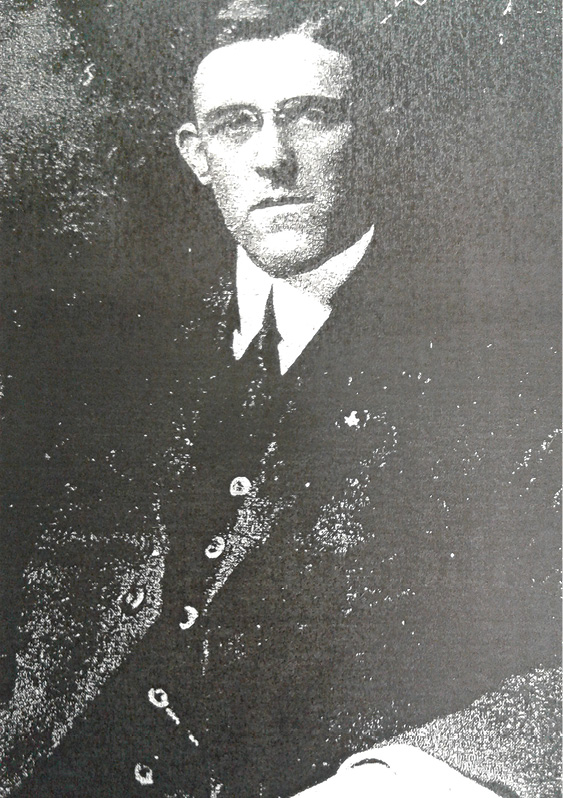
From 1880 to 1919, three doctors served Granby well. Dr. Alfred Weed was a beloved storyteller, who lived on Mechanicsville Road. He cared for patients until his death in 1919. From 1911 to 1917, Dr. Victor Irwin also served as Granby’s physician, making house calls and performing surgeries with the help of Dr. Munson of Tariffville or Dr. Foster of Westfield. When World War I began, Irwin joined the Army and ran a field hospital in France. When he returned, he continued his practice in Westfield, working alongside his father, who was an ear, nose and throat specialist.
Dr. Walter Murphy practiced medicine out of North Granby and East Hartford from 1890 to 1913. He received his medical training from Albany Hospital and in 1913 worked out of Hartford Hospital, specializing in pediatrics. Like Irwin, Murphy joined the Army during World War One, became a Captain and worked with children’s health in French towns such as St. Nazaire, Lyon, St. Eliene, and many other towns in France. When the war ended, he returned to Hartford Hospital working with child’s illnesses, until his death in 1922.
All of these doctors were modern physicians who learned and practiced the “germ theory” of medicine. Next month I will write about Drs. George Edwards, Jarius Case, Joseph Jewett, Sam Higley and Justin Wilcox. These notable Granby doctors took care of Granby citizens from late 18th century until the Civil War.
To learn more about Granby doctors and medicine in Granby, please join the Salmon Brook Historical Society.